
7 Signs of Stalkers: What to Watch for and Do

You blocked the number on Monday. By Wednesday, messages are arriving from a new number, your email shows a login you don't recognise, and someone you didn't tell mentions the route you took home. Each event has a possible innocent explanation. Together, they may form a pattern you shouldn't ignore.
Stalking isn't a personality type you can diagnose from one awkward encounter. It's a course of conduct, meaning repeated behaviour that's unwanted and causes distress, fear or alarm. That's why the clearest signs of stalkers are observable patterns, not dramatic incidents alone. The UK Government stalking factsheet summarising Crime Survey estimates states that 2.9% of adults aged 16 and over, around 1.4 million people, experienced stalking in the year ending March 2025.
Act on Safety First
If you're in immediate danger, call 999. Don't confront the person, delete messages or remove a suspected tracker before you've taken advice. Preserve dates, times, screenshots and original records, and tell a trusted person what's happening.
A private investigator can help document suspicious activity, check for devices and clarify what evidence shows. Investigators don't replace police, emergency services or specialist stalking support. The seven categories below connect physical, digital and indirect behaviour to proportionate next steps.
1. Persistent Unwanted Contact Across Multiple Channels
Repeated calls, texts, emails and social media messages are often the first visible sign. The concern grows when contact continues after you've clearly said stop, moves to new accounts after blocking, or reaches you through friends, relatives and colleagues. The tone may shift quickly from apologetic to pleading, angry or threatening.
Individual messages can look minor. The pattern matters. A former partner might message from three new numbers and two social media accounts within a week after being blocked, then contact your sister when you don't reply. That's not persistence you need to manage politely. It's unwanted contact escalating across channels.

The ONS definition of stalking in England and Wales covers two or more incidents causing distress, fear or alarm, including repeated contact through letters, emails, texts or calls. That definition helps you assess the whole sequence rather than dismissing each message separately.
What to Do With Unwanted Contact
State once, clearly and in writing, that contact must stop. Then don't enter further discussion. Continued replies, even angry ones, give the sender engagement and can make the timeline harder to read.
Keep originals: Save voicemails, emails and call logs rather than relying only on screenshots.
Capture context: Screenshots should show the sender profile, date, time and full conversation.
Back up safely: Store copies in a secure account the suspected person can't access.
Record effects: Note fear, disrupted sleep, missed work and changes you've made to your routine.
Report a repeated course of conduct to police. For specialist advice, contact the National Stalking Helpline run by the Suzy Lamplugh Trust on 0808 802 0300. Don't wait for an explicit threat before seeking help. Persistent contact after a clear refusal is already a serious warning sign.
2. Knowledge of Your Movements, Routines, or Whereabouts
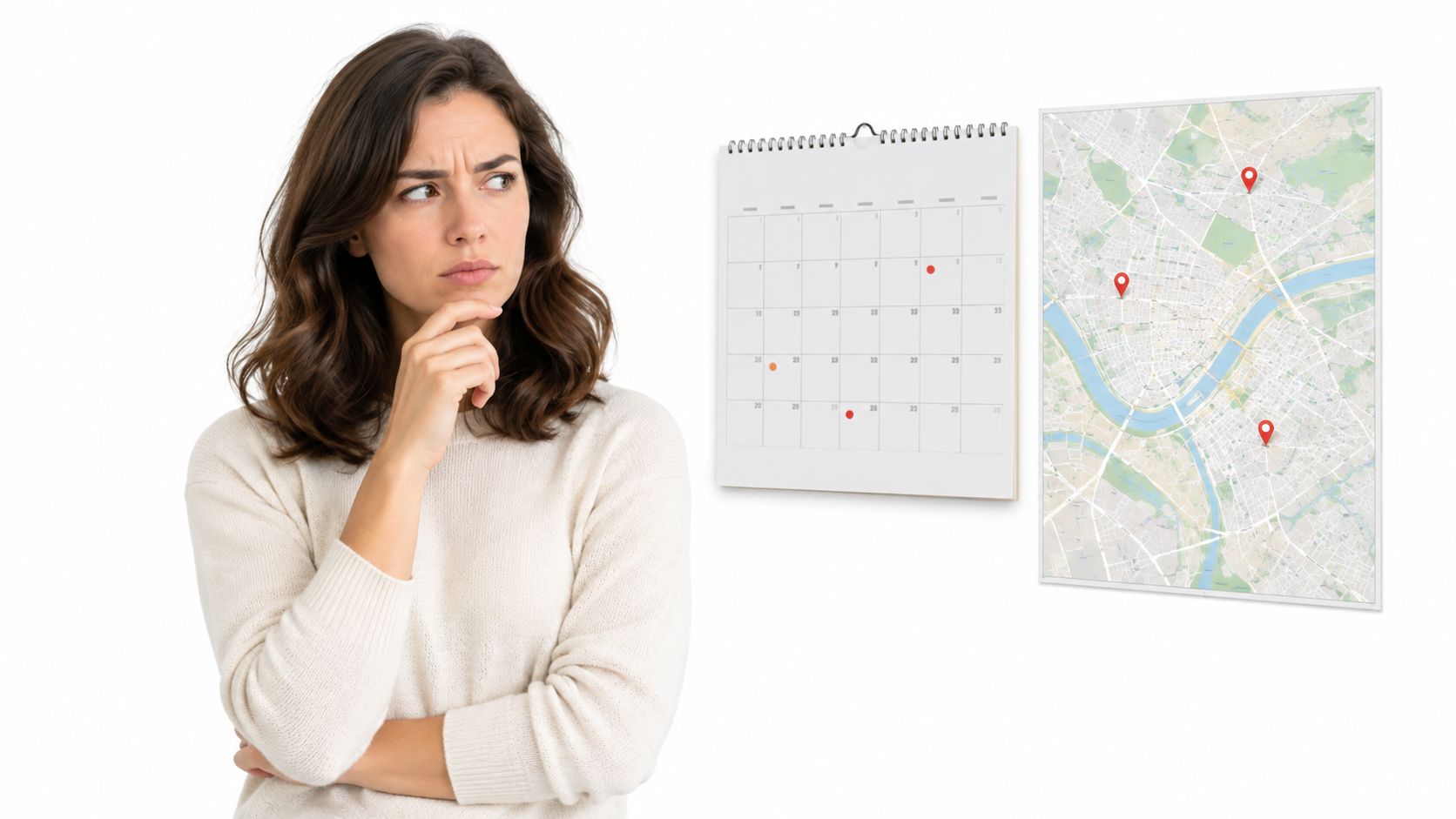
Someone mentions a medical appointment you only discussed with your doctor. Or they know which friend you visited, when you left work and that you changed your usual train. Knowledge like that, repeated and unexplained, suggests monitoring rather than coincidence.
The information may come from physical observation, a tracking app, shared account access, social media, or someone passing details on. You don't need to identify the method before acting. Your task is to record what was known, when it was revealed, and who legitimately had that information.
Test the Pattern Without Creating Risk
List the people who know each detail and compare that list across incidents. A pattern linked to one shared calendar, account or contact can narrow the source. Don't plant false information to trap someone if doing so could provoke confrontation.
Vary routes and times where practical. Turn off live location sharing with anyone you no longer trust, and review who can see your posts and check-ins. Small changes also make new disclosures more revealing because there's a shorter list of possible sources.
Practical rule: Record the exact words that revealed private knowledge. A vague note that someone "knew too much" is far less useful than a dated quote.
If you believe you're being followed, go to a safe public place and call 999 if danger is immediate. Use 101 for non-emergencies. Where identity or association questions need careful verification, professional UK tracing agents can support lawful enquiries, but they shouldn't be asked to obtain private data unlawfully or confront a suspect on your behalf.
3. Unexplained GPS Trackers, Hidden Devices, or Other Signs of Monitoring
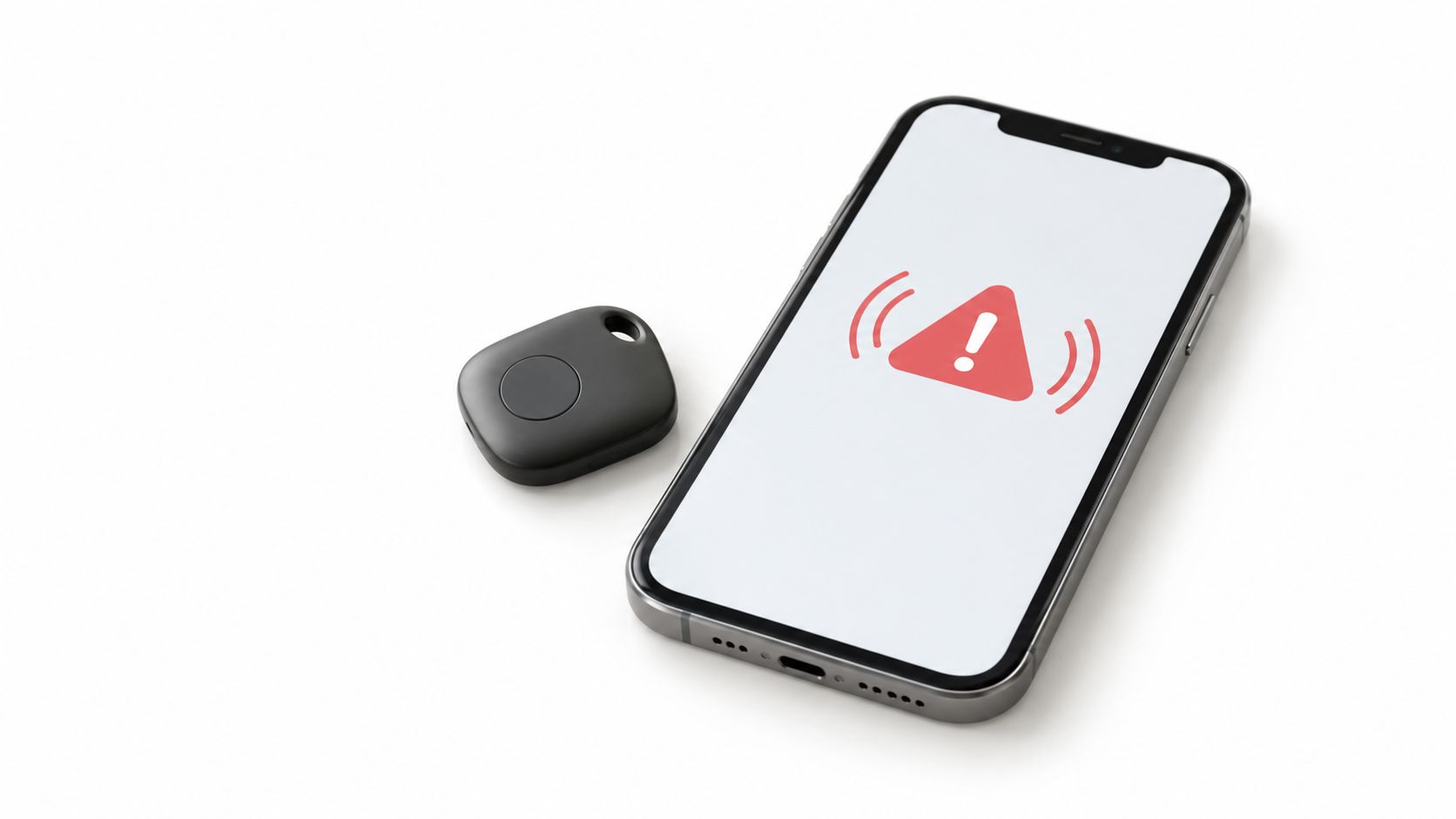
Technology can create access that isn't obvious. Warning signs include an unknown Bluetooth tag travelling with you, unfamiliar device sessions, repeated password resets, an email forwarding rule you didn't create, location sharing that turns itself back on, or a person knowing details from private messages.
Specialist service figures show why digital checks matter, although they aren't population prevalence rates. The Mayor of London announcement citing UCL research on technology-enabled abuse reports Refuge identified technology abuse among around 72% of its service users in 2019. In a later Refuge referral analysis, monitoring or controlling behaviour appeared in 48.69% of referrals and harassment in 30.97%.
Preserve Evidence Before You Remove Anything
Photograph a device exactly where you found it, including wide shots of the vehicle, bag or room and close images of markings. Note the date, time and who was present. Don't handle, disable or discard it before speaking to police or a specialist, because removal can destroy evidence and alert the person monitoring it.
For context on how tracking evidence can matter in criminal cases elsewhere, this Texas assault GPS evidence guide is a useful contrast, but UK cases should follow UK police and legal advice.
The short video below reinforces why suspected monitoring needs a careful, documented response rather than a rushed search.
Use a safer device for sensitive calls if compromise is suspected. Preserve login alerts, then secure accounts with unique passwords and two-factor authentication, checking recovery emails and active sessions. Professional office bug sweep services and TSCM inspections can examine homes, vehicles and workplaces for hidden cameras, listening devices, GPS trackers and transmitters. Choose an investigator who's transparent about methods, data handling, legal limits, scope and costs.
4. Loitering, Following, and Repeated Presence Near Home or Work
A neighbour notices the same grey car on your street several evenings over two weeks. It stays for long periods, leaves shortly after you arrive and has no obvious connection to nearby houses. That kind of repeated presence is one of the clearest signs of stalkers, even if no direct approach is made.
Physical surveillance may involve waiting outside a home, workplace, school or gym, following on foot, driving past repeatedly, looking through windows, moving property or leaving items to show someone was there. One appearance may be coincidence. A sequence tied to your schedule isn't something to rationalise away.

Build a Clear Incident Log
Write entries while details are fresh. Keep them factual and avoid guessing about motive.
Time and place: Record dates, arrival and departure times, and exact locations.
Vehicle details: Note make, colour, registration, damage and direction of travel.
Person description: Include clothing, build, distinguishing features and behaviour.
Witnesses: Name neighbours or colleagues who saw the same incident.
Impact: Record changes to your route, work, sleep or ability to use your home normally.
Photograph only when it's safe. Don't approach the vehicle, chase the person or try to test whether you're being followed. If following is happening now, call 999 and head somewhere safe and staffed.
Tell trusted neighbours, reception staff and managers what to watch for. Improve lighting, locks and sightlines, and ask your workplace not to confirm your schedule. Covert surveillance by a professional investigator may help document repeated presence from a safe distance, particularly when incidents occur at predictable times. Police involvement comes first where there's property entry, threats or immediate risk.
5. Gifts, Messages, or Unexpected Deliveries That Signal Monitoring
Flowers arrive at work on a day you changed shift at short notice. The card refers to the different route you took that morning. Colleagues may call it romantic. You should treat it as information about monitoring.
Unwanted gifts, parcels, food deliveries, letters and notes can be used to prove access to private details. They may reference a recent purchase, something inside your home, a conversation, your children, a new address or a place you visited. The item itself may be harmless. The knowledge behind it is the warning sign.
Treat Deliveries as Evidence
Don't open an unexpected package alone if you feel at risk. Photograph the packaging, labels, handwriting, delivery details and contents before anything is thrown away. Keep the item and card in a clean bag, and avoid unnecessary handling if police may want to examine it.
An unwanted gift isn't made acceptable because it looks caring. If it continues after you've said stop, record it as contact.
Ask delivery companies, florists or building reception what records they can preserve. Don't contact them in a way that accuses an individual without evidence. Request that order and delivery details aren't deleted while you seek advice.
Send one clear written instruction to stop, keep a copy, and don't thank the sender or negotiate. Tell your employer or building manager about workplace deliveries, and ask them to log times and retain CCTV where available. A dated sequence of items can show escalation, knowledge of your movements and disregard for boundaries. Retained together, they're much stronger evidence than a memory of deliveries that felt unsettling.
6. Information Gathering Through Friends, Family, Colleagues, or Social Media
Not every approach comes directly to you. A colleague receives a call from someone claiming to be a recruiter who asks about your shift pattern. A distant relative is asked for your new address. A fake profile follows your friends to view photographs and identify where you'll be.
This indirect gathering is sometimes called social engineering. Questions may sound harmless in isolation, but small answers can be combined to reconstruct your address, routine, relationships, workplace and plans. It also tells the person gathering information which contacts will talk.
Reduce What Strangers Can Assemble
Review privacy settings on every account. Limit who can see posts, location tags, friend lists, workplace details and photographs of your home or children. Remove old location data where you can, and delay posting until you've left an event.
Brief contacts: Give trusted people a simple instruction not to share your address, number, schedule or movements.
Verify callers: Don't confirm details to unsolicited callers. Hang up and call the organisation back on a published number.
Log approaches: Ask anyone contacted to save messages and note the wording, date and account name.
Check followers: Remove accounts you don't recognise and watch for clones using your contacts' photographs.
ONS figures show online behaviour is a substantial part of stalking. The ONS analysis of stalking victimisation published in 2024 estimated approximately 635,000 victims, 42% of all stalking victims in the relevant survey, experienced online methods. That means your response shouldn't stop at physical security. Digital exposure can feed direct approaches and physical surveillance.
7. Escalation of Behaviour, Particularly After Rejection or a Relationship Ending
Watch closely after a breakup, rejected approach, court decision, job change, blocked account or a clear instruction to stop. Escalation may appear as more frequent messages, new platforms, threats, property interference, contact with your employer, appearances at new locations, or attempts to gain access through other people.
The pattern doesn't need to become violent before you act. The Crown Prosecution Service guidance on stalking or harassment explains that a course of conduct requires behaviour on at least two occasions and describes stalking as fixated, obsessive, unwanted and repeated behaviour. It also identifies monitoring communications, publishing material, loitering, interfering with property and watching or spying.
Put Protection Around Predictable Trigger Points
Create a safety plan before a likely trigger, such as serving documents, changing locks, moving home or starting a new job. Tell trusted people where you'll be, keep your phone charged, identify safe places and agree a code word for urgent help.
Immediate danger: Call 999 rather than waiting to see whether behaviour settles.
Legal protection: Ask police or a solicitor about a Stalking Protection Order under the Stalking Protection Act 2019.
Specialist advocacy: Contact Paladin, the National Stalking Advocacy Service, for practical support.
Emotional support: Victim Support can help you plan next steps and understand your options.
There's a large gap between survey estimates and recorded offences, so reporting alone shouldn't be your whole plan. The Crown Prosecution Service stalking action plan announcement notes police recorded 141,645 stalking offences in the year ending September 2025. Bring a concise timeline to every appointment so escalation is easy to see.
7 Key Signs of Stalking: Comparison Guide
Warning sign | Typical indicators | 🔄 Detection effort | 📊 Potential impact | 💡 Practical response |
|---|---|---|---|---|
Persistent unwanted contact across channels | Repeated calls or messages after being asked to stop; new accounts or numbers; contact through other people | ⭐ Low to moderate: save and date messages, calls, and screenshots | 📊 A repeated pattern may cause alarm or distress and may be relevant to a harassment report | Stop responding after clearly asking for contact to end; preserve records and seek police or specialist advice |
Knowledge of your movements or routines | References to private appointments or conversations; appearances at undisclosed locations; knowledge of work or daily schedules | 🔄 Moderate: review who knows your routine and document unexplained appearances | 📊 May indicate surveillance or information sharing and undermine a sense of safety | Limit location sharing, consider varying routes where practical, and call 999 if in immediate danger or 101 for non-emergencies |
Unexplained trackers, devices, or digital monitoring | Unknown tracker alerts; unfamiliar devices; unexpected login notices, apps, or account changes | 🔄 Moderate to high: careful documentation or specialist assessment may be needed | 📊 May expose location or private information; a device or alert may provide evidence | Photograph any device in place, preserve alerts, secure accounts, and consult police or a qualified specialist before confronting anyone |
Loitering, following, or repeated presence near home or work | The same person or vehicle appears repeatedly; signs of property access; questions about you to neighbours or colleagues | 🔄 Moderate: keep a dated log of locations, times, descriptions, and vehicle details | 📊 Repeated presence can raise safety concerns, especially around home or work | Record incidents when safe, inform trusted people, improve basic security, and report suspected entry to police |
Gifts, messages, or deliveries that reveal private knowledge | Unsolicited items refer to private events, purchases, conversations, or changes in routine | ⭐ Low to moderate: photograph and retain packaging, notes, and delivery details | 📊 May suggest monitoring and cause distress despite appearing affectionate or harmless | Avoid handling suspicious packages alone; document them and notify workplace or building staff if relevant |
Information gathering through others or social media | People report being questioned; callers seek personal details; suspicious profiles monitor activity | 🔄 Moderate: review privacy settings and check what information is publicly visible | 📊 Can reveal routines, contacts, or personal details without direct contact | Restrict profile visibility, verify unsolicited callers independently, and brief trusted contacts not to share information |
Escalation after rejection or a relationship ending | More frequent contact, threats, new monitoring methods, appearances at new locations, or involvement of others | ⚡ Act promptly: risk can change quickly and should be reassessed | 📊 Behaviour may intensify unpredictably and require additional safety support | Make a safety plan and contact police or specialist services; call 999 if in immediate danger |
Recognise Early, Record Carefully, and Seek Support
The safest response is rarely confrontation. It's a calm plan built around preserved evidence, trusted people and the right service at the right time. Don't try to prove motive, diagnose someone or decide alone whether a legal threshold has been met. Your role is to protect yourself and create an accurate record others can act on.
Start with immediate safety. Call 999 if someone is following you, threatening violence, trying to enter your property or creating immediate danger. For a repeated pattern that isn't an emergency, contact police through 101 or their reporting channels and present a dated timeline. Include original messages, call logs, delivery records, photographs, login alerts, witness names and a clear account of how the behaviour has changed your life.
Strengthen the Basics Today
Secure email and cloud accounts first because they often control password resets, photographs, calendars and location data. Use unique passwords, enable multi-factor authentication, review active sessions and check forwarding rules. Review location sharing on phones, vehicles, fitness apps, banking apps and shopping accounts. Do this from a safer device if you believe your main phone or computer is compromised.
Improve physical security at the same time. Check locks, lighting and window access, tell neighbours and workplace reception what's happening, and vary predictable routines where you can. Brief friends and family not to share your address, number or schedule. Small, consistent steps reduce both opportunity and uncertainty.
Safety priority: Preserve first, secure second and confront never. Evidence lost in a rushed clean-up is difficult to recover.
Private investigative support is optional and should be proportionate. It may be appropriate when you need covert surveillance to document repeated presence, a TSCM sweep to check for trackers or listening devices, lawful background enquiries, or an organised evidence file for police or solicitors. It isn't a substitute for emergency protection, specialist advocacy or a police investigation.
Sentry Private Investigators Ltd provides discreet investigative services for individuals and businesses across the UK, including surveillance and technical countermeasures work. A professional investigator should explain lawful methods, limits, data handling, reporting and costs before starting. If they promise access to private accounts, phone records or data they have no lawful right to obtain, walk away.
Trust the pattern you're seeing. One awkward message may mean little, but repeated unwanted contact, unexplained knowledge, monitoring, indirect enquiries and escalation after rejection deserve action. Record carefully, tell people you trust, seek specialist advice early and use professional support where it strengthens your safety plan.
If repeated contact, unexplained surveillance or a suspected tracking device is affecting your safety, Sentry Private Investigators Ltd can discuss discreet surveillance, TSCM bug sweeps and lawful evidence-gathering options suited to your situation. Visit Sentry Private Investigators Ltd to enquire confidentially, and always call 999 first if you're in immediate danger.